
Designing Safer Roads: How Palmer Engineering Supports Bicycle Safety
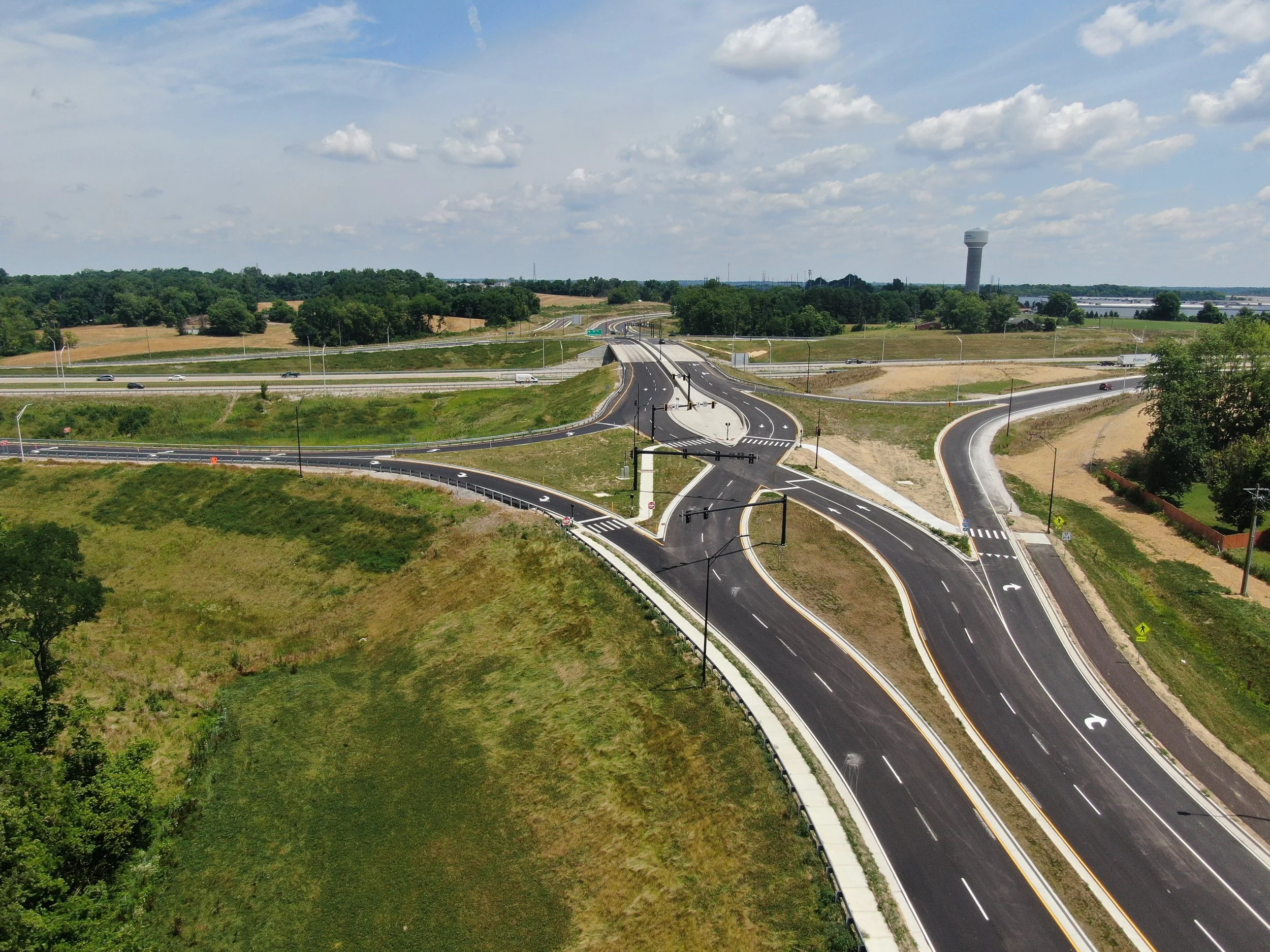
May is National Bicycle Safety Month—a time to recognize the importance of designing transportation systems that keep all users safe. At Palmer Engineering, bicycle and pedestrian safety isn’t an afterthought—it’s a core part of how we approach every project. From major roadway corridors to community destinations, our team incorporates bike lanes and multi-use paths to create safer, more connected environments for everyone.
Designing with Safety in Mind
Safe bicycle infrastructure starts with thoughtful design. That means:
Providing dedicated space for cyclists through bike lanes and shared-use paths
Enhancing visibility with improved crossings, signals, and striping
Ensuring accessibility through ADA-compliant sidewalks and connections
Reducing conflict points between vehicles, cyclists, and pedestrians
By integrating these elements early in the design process, we help communities move beyond car-only planning toward safer, more balanced transportation networks.
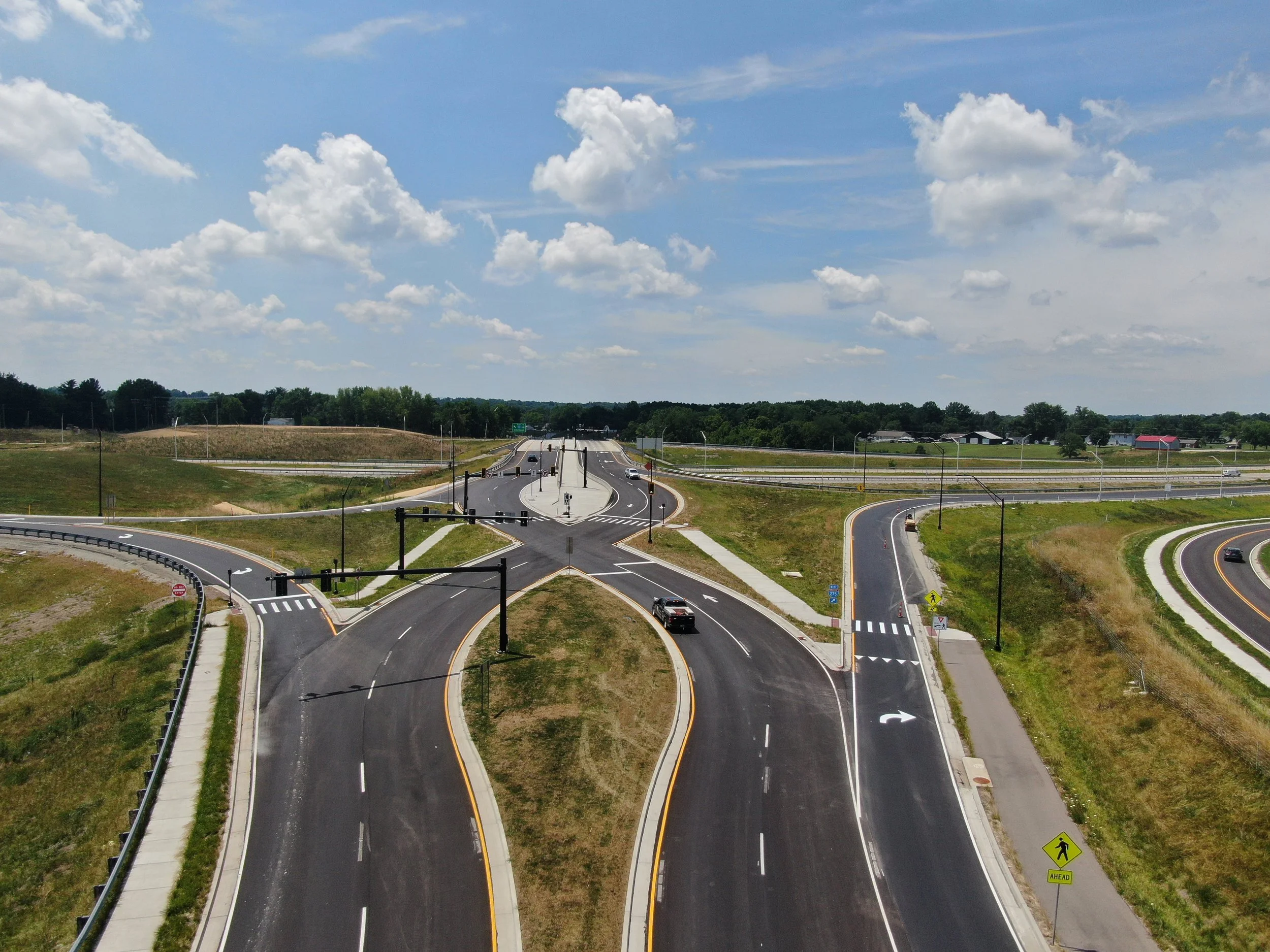
Boone County, KY: I-275 / KY 476 (Graves Road) Improvements
With rapid growth in Boone County and increasing traffic demands, the Graves Road corridor was transformed into a four-lane urban roadway designed for all users.
The project incorporates a multi-use path along the corridor, providing a safe, dedicated space for cyclists and pedestrians alongside a high-capacity roadway. This large-scale effort demonstrates how complex infrastructure projects can successfully integrate bicycle and pedestrian safety into their design.
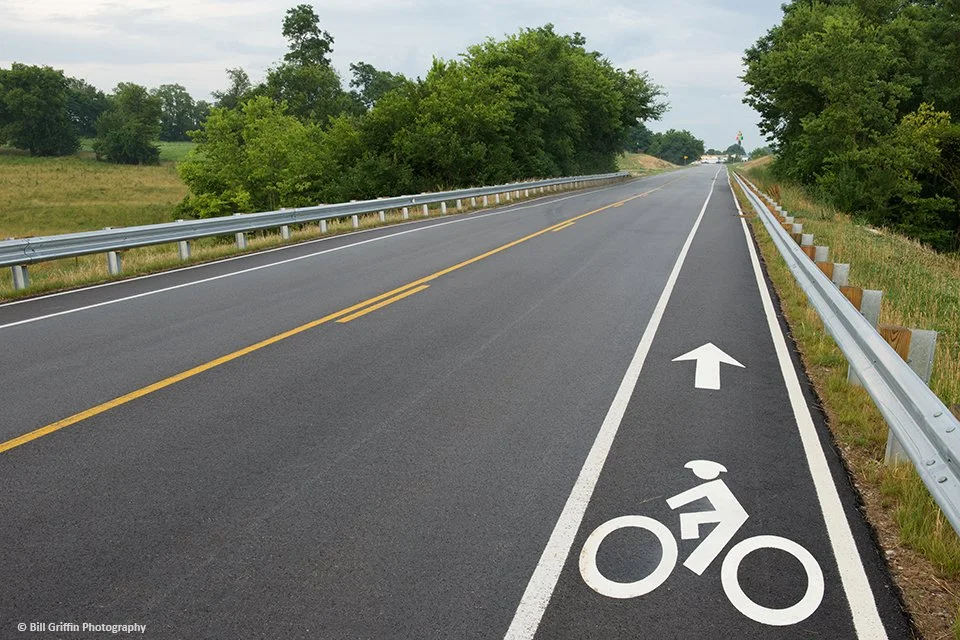
Madison County, KY: Whitehall Road Bicycle Lanes Project
The Whitehall Road project demonstrates how targeted improvements can strengthen connections between roadways and recreational spaces. Serving the Whitehall State Historic Shrine, the corridor connects to existing walking and biking paths throughout the site.
Palmer’s design added bike lanes in each direction, creating a safer transition between the roadway and the park’s multi-use trail system. The project also included culvert widening and pipe extensions to support the expanded roadway while maintaining proper drainage.
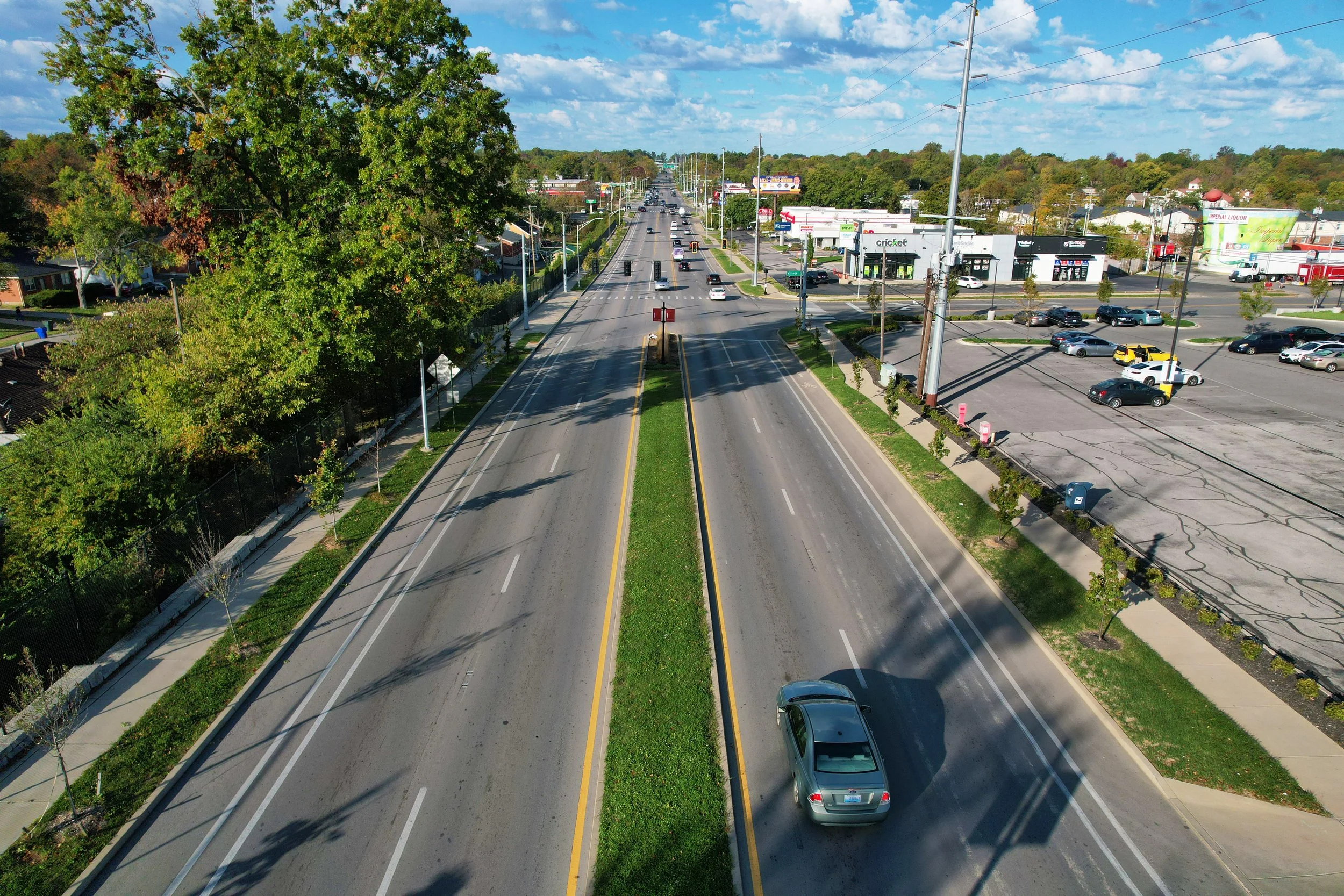
Fayette County, KY: Versailles Road Streetscape
As a key gateway into downtown Lexington, the Versailles Road corridor demonstrates how thoughtful design can improve both safety and aesthetics. The project includes a buffered bike lane, upgraded sidewalks, and a wide range of streetscape enhancements—from decorative lighting and signage to landscaped medians and improved crosswalks.
These features work together to create a safer, more welcoming corridor for cyclists and pedestrians while supporting the identity and character of the surrounding community.
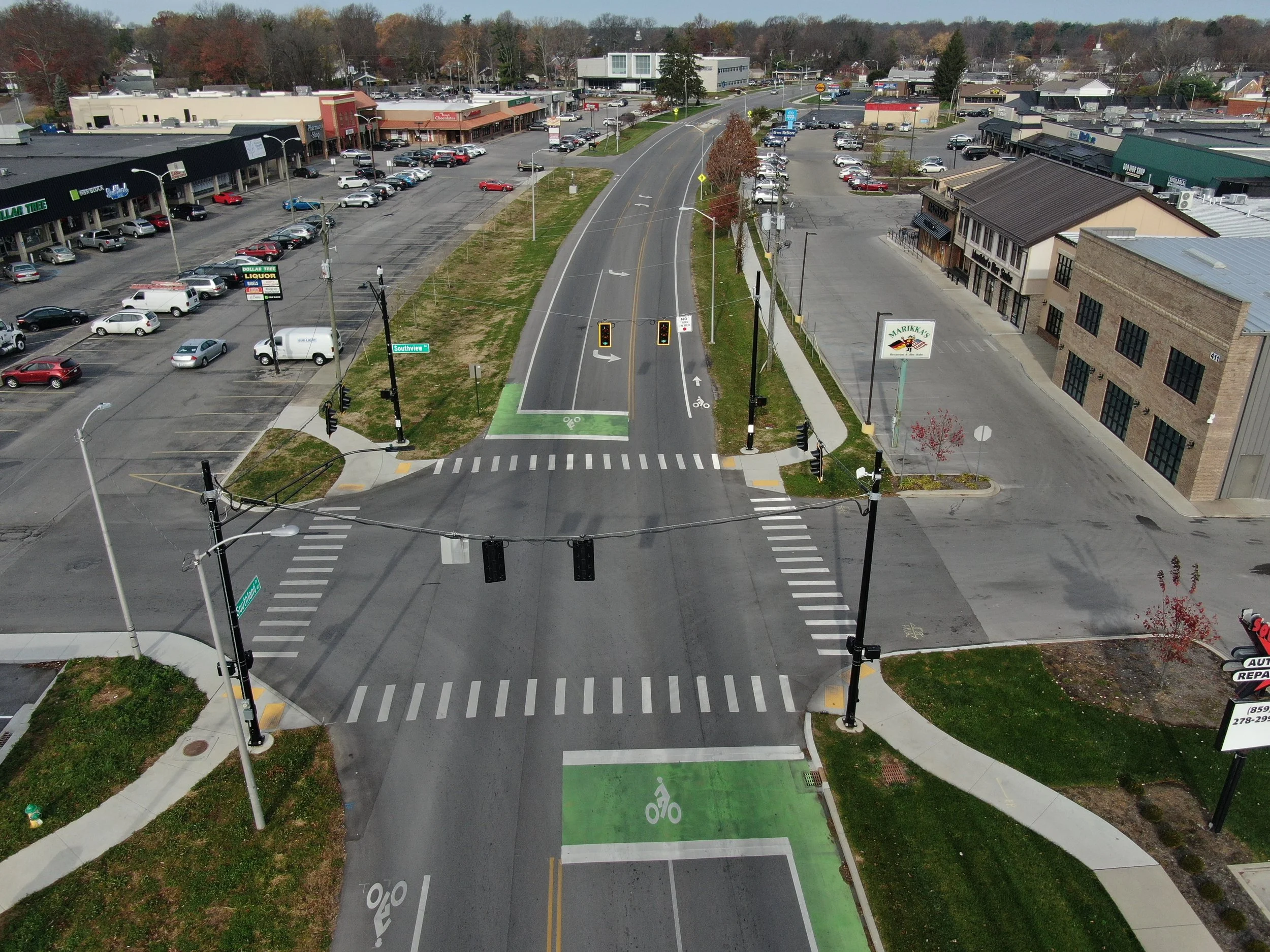
Fayette County, KY: Southland Drive Improvements
Southland Drive highlights how bicycle and pedestrian infrastructure can support revitalizing commercial corridors. This project includes the addition of bike lanes, sidewalks, and streetscape enhancements along a corridor currently undergoing redevelopment.
By repairing existing sidewalks, filling gaps with new construction, and improving drainage, the project creates a safer, more accessible environment. With a strong emphasis on public involvement, the design reflects community needs while enhancing the overall corridor experience.
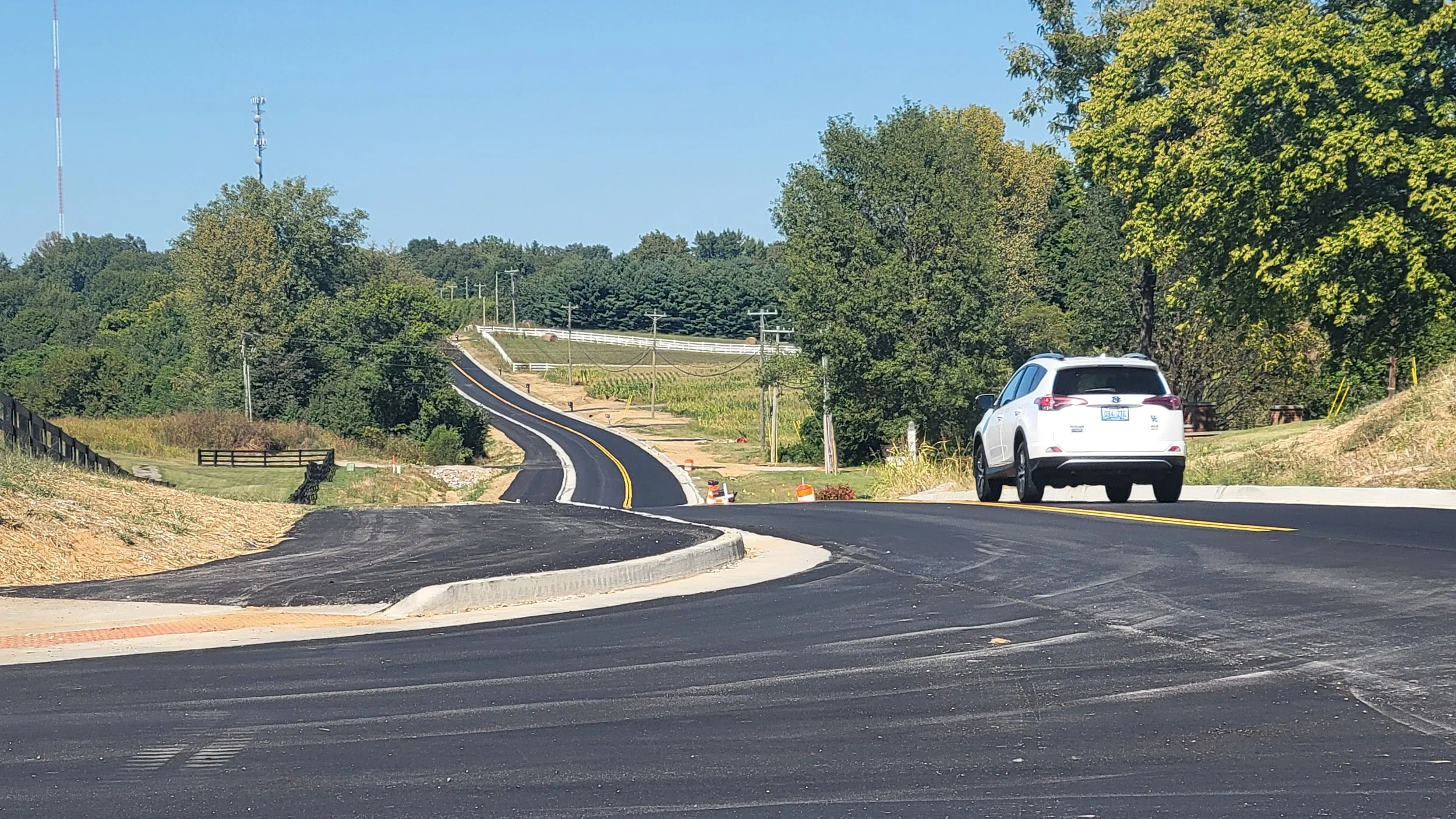
Henderson County, KY: Wathen Lane Improvements
The Wathen Lane project shows how rural roadways can be transformed to better serve all modes of transportation. Palmer redesigned 1.4 miles of roadway, transitioning to a curb-and-gutter section with a multi-use path along one side.
Combined with drainage improvements and coordinated construction efforts, the project expands safe travel options while maintaining functionality for the surrounding area.
Building Safer Communities
Whether it’s adding bike lanes to connect recreational destinations, incorporating multi-use paths into major corridors, or enhancing walkability in growing commercial areas, every project is an opportunity to improve safety and connectivity.
During National Bicycle Safety Month and beyond, Palmer Engineering remains committed to designing infrastructure that supports cyclists, pedestrians, and drivers alike.
Because safer roads don’t just move people—they connect communities.