
Advancing Water Quality in Lexington: A Decade of Progress in the Wolf Run Watershed
World Water Day is Sunday, March 22, making it a fitting time to reflect on the importance of protecting and improving water resources—both globally and right here in our local communities.
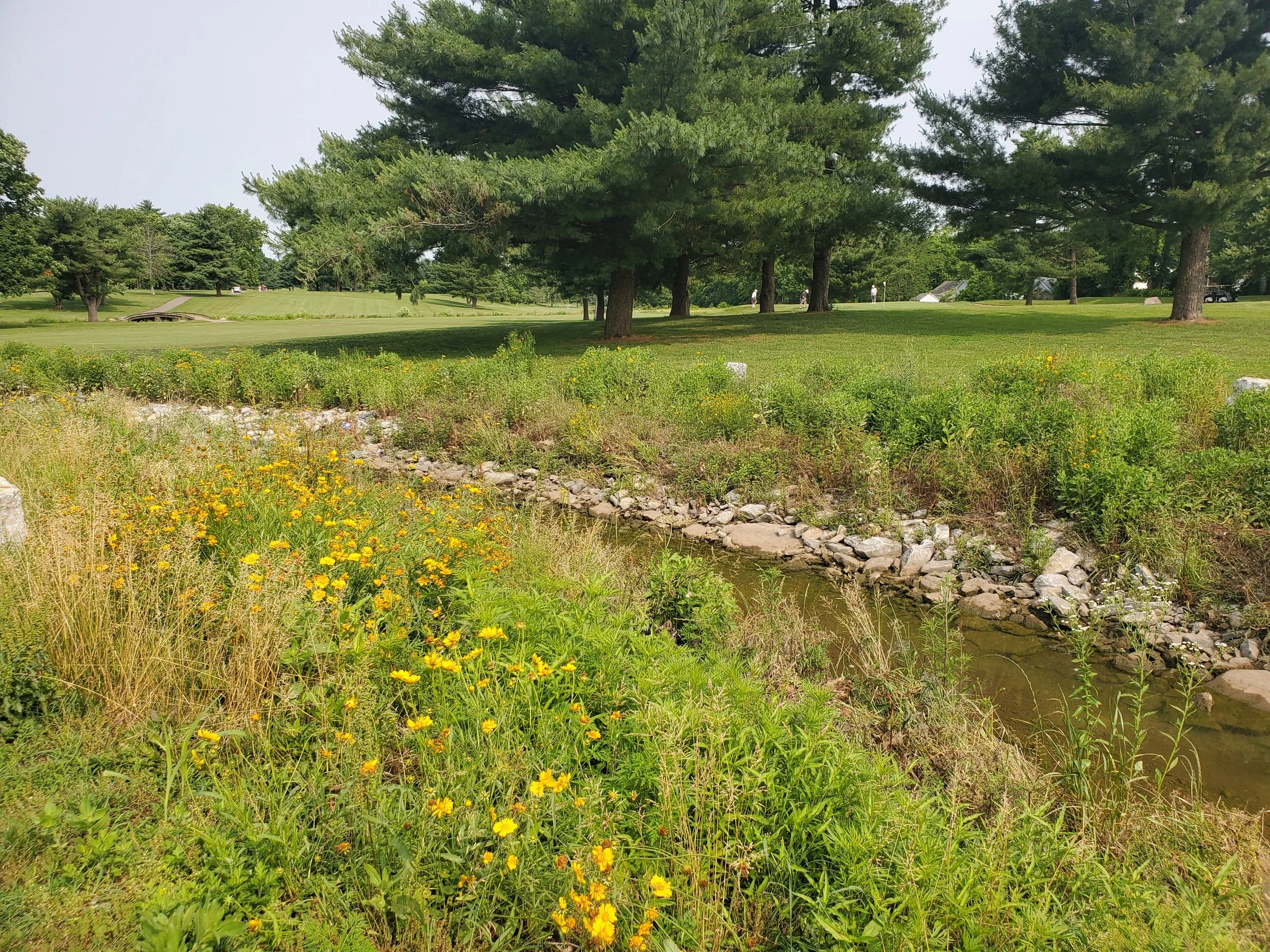
In Lexington, Kentucky, the Wolf Run Watershed stands as a strong example of how long-term planning, collaboration, and data-driven decision-making can lead to meaningful environmental progress. A watershed is the area of land where rainfall and runoff drain into a common waterway—meaning what happens on the land directly impacts the health of our streams and rivers.
A Foundation for Long-Term Improvement
The Wolf Run Watershed Based Plan was approved in 2013 by the Kentucky Division of Water and the U.S. Environmental Protection Agency (EPA), establishing a comprehensive framework for improving stormwater management and protecting water quality.
Since then, a wide range of best management practices (BMPs) have been implemented throughout the watershed. These efforts have been made possible through ongoing collaboration between key partners, including the Wolf Run Watershed Council, Lexington-Fayette Urban County Government, Friends of Wolf Run, and supporting organizations like Palmer Engineering.
Measuring Progress Ten Years Later
More than a decade after the plan’s approval, the focus has shifted to evaluating its long-term effectiveness and identifying opportunities for continued improvement.
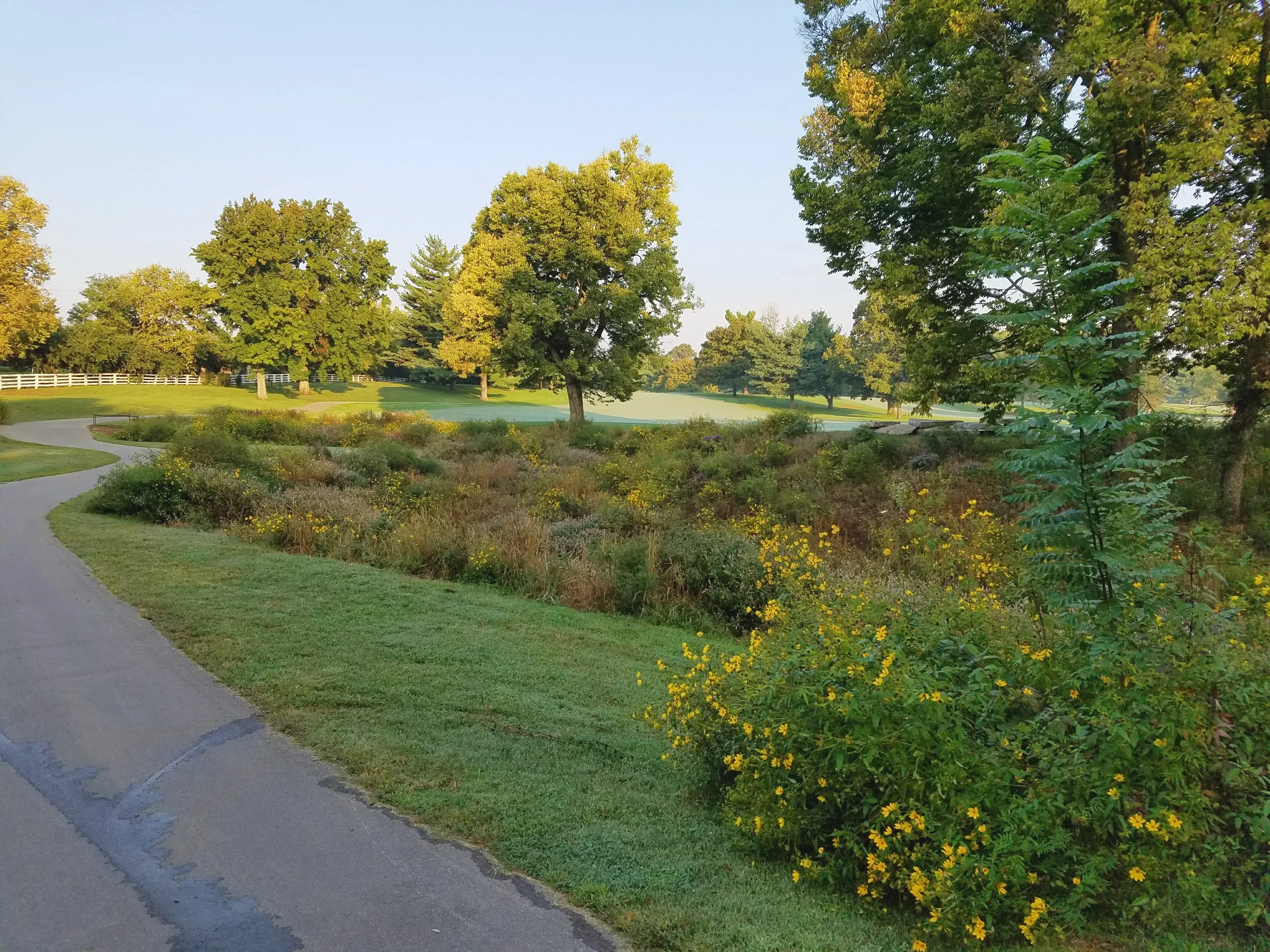
Through updated data collection and analysis—supported by both volunteers and project team members—recent efforts have assessed trends in water quality and stormwater impacts. This work provides valuable insight into how conditions have changed over time and helps determine which strategies have delivered the greatest impact.
Engaging the Community in New Ways
A key component of this next phase has been enhanced community engagement. By incorporating interactive online mapping tools, stakeholders and community members can now explore completed projects, better understand watershed improvements, and provide input on future priorities. This approach ensures that future planning efforts reflect the needs and perspectives of the community.
Building on Success with a Plan Addendum
Findings from this evaluation process have been used to develop a concise addendum to the original watershed-based plan. This addendum builds on past successes while identifying gaps, addressing ongoing challenges, and outlining a clear, data-driven path forward.
By applying adaptive management principles, the updated plan ensures that strategies can evolve alongside changing watershed conditions—helping to sustain progress for years to come.
Looking Ahead
The continued success of the Wolf Run Watershed effort highlights the importance of long-term commitment, strong partnerships, and informed decision-making in protecting water quality.
Palmer Engineering is proud to support this work and contribute to solutions that make a lasting impact on the communities we serve.
As we recognize World Water Day, we are reminded that protecting our water resources is not a one-time effort—it’s an ongoing process that requires collaboration, innovation, and dedication at every level.
Learn More
Join the upcoming Wolf Run Watershed Council meeting to hear updates on the Watershed Plan Addendum and help shape the future of water quality in Lexington. The meeting will be held on Monday, March 23, 2026 at 5:30 p.m. at the Fayette County Cooperative Extension Office (1140 Harry Sykes Way).

Inspiring the Next Generation of Engineers
Protecting our water resources isn’t just about today—it’s about equipping the next generation to carry this important work forward.
Through initiatives like our Exploring Engineering webpage, Palmer Engineering helps students connect with real-world challenges through hands-on learning experiences. From understanding the importance of clean water to learning how it travels from source to home, these activities introduce young learners to the vital role engineering plays in building healthier communities.
To learn more, visit the webpage and download the activity book to get started.