
US 641
CALLOWAY COUNTY, KY
TRANSPORTATION
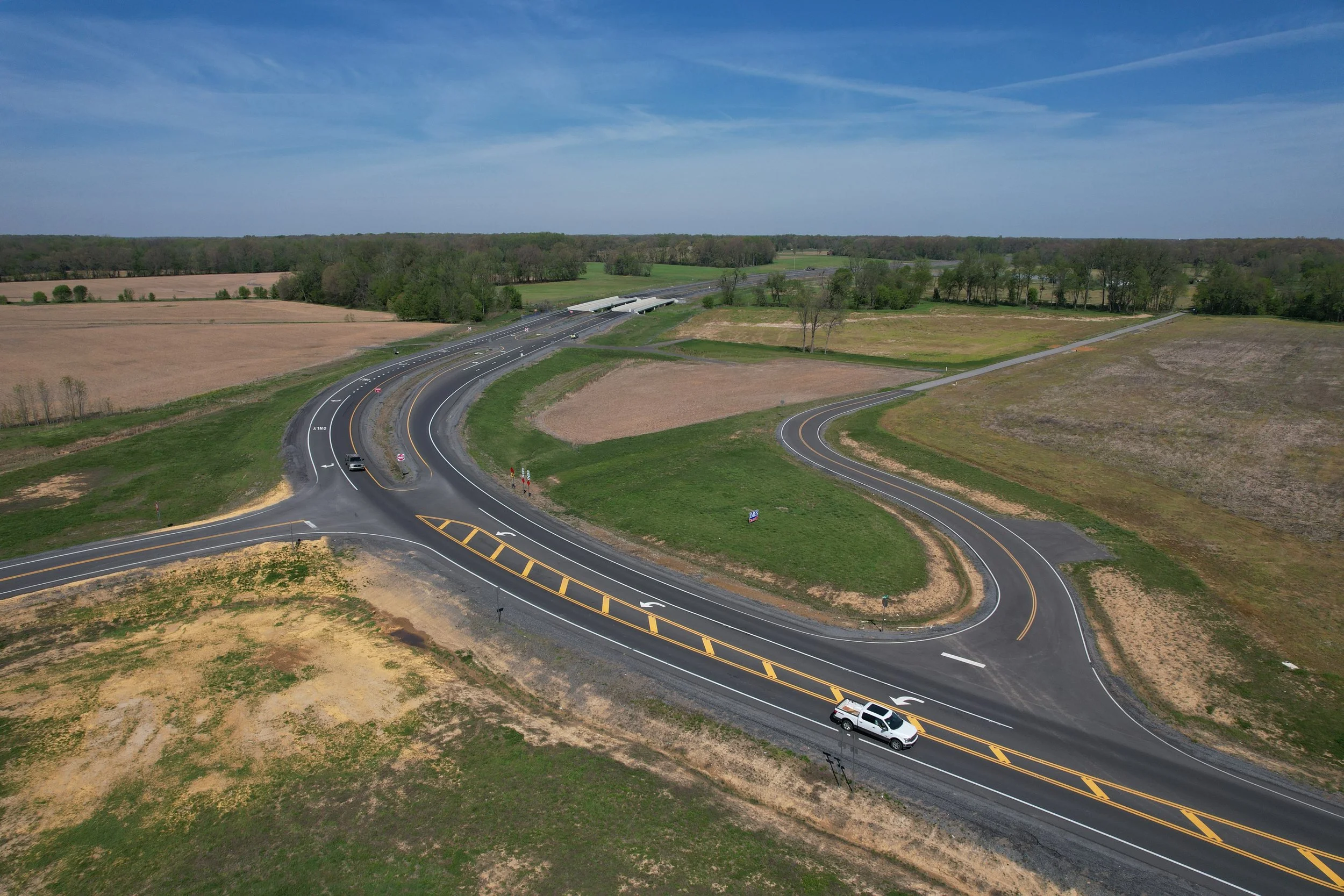
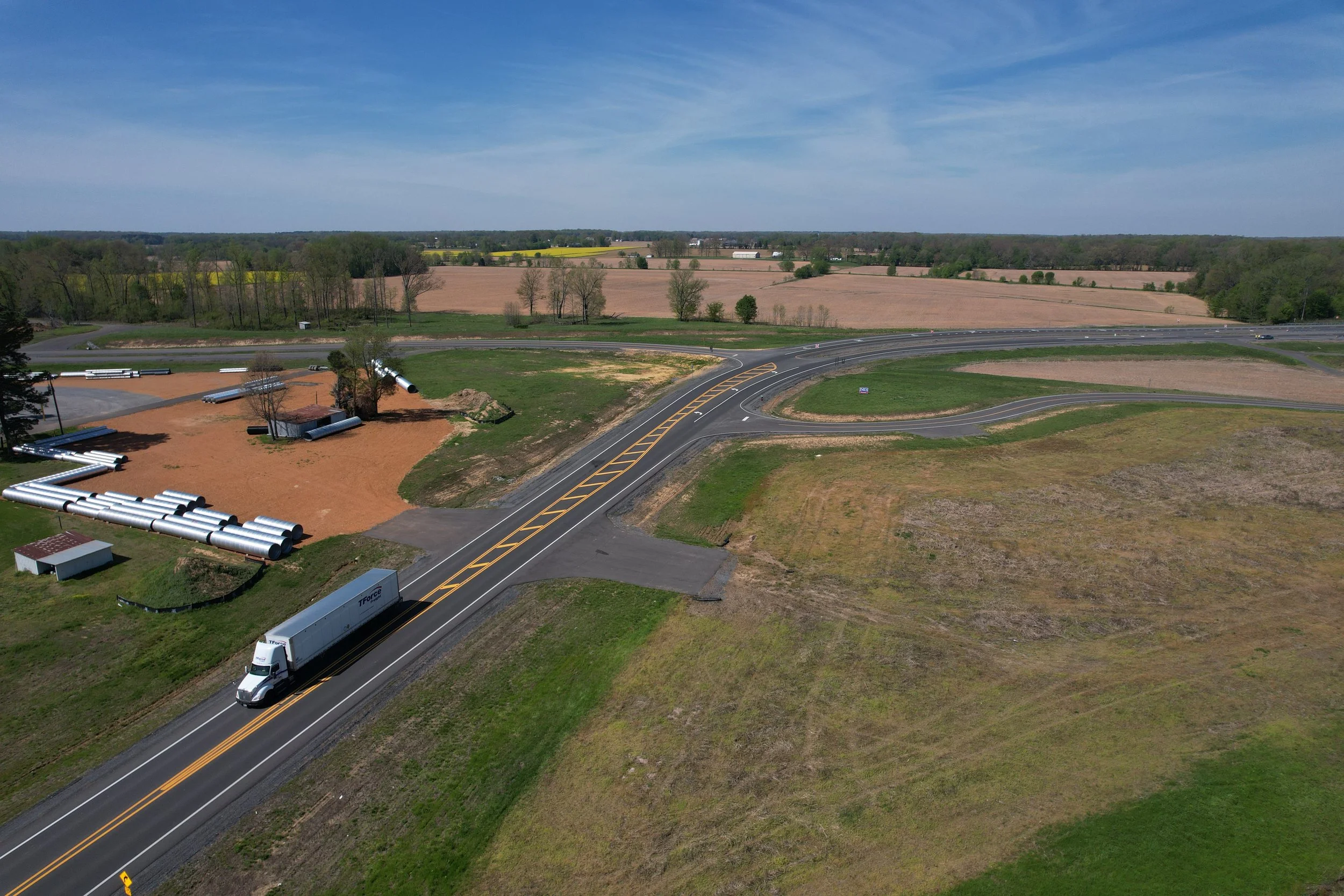
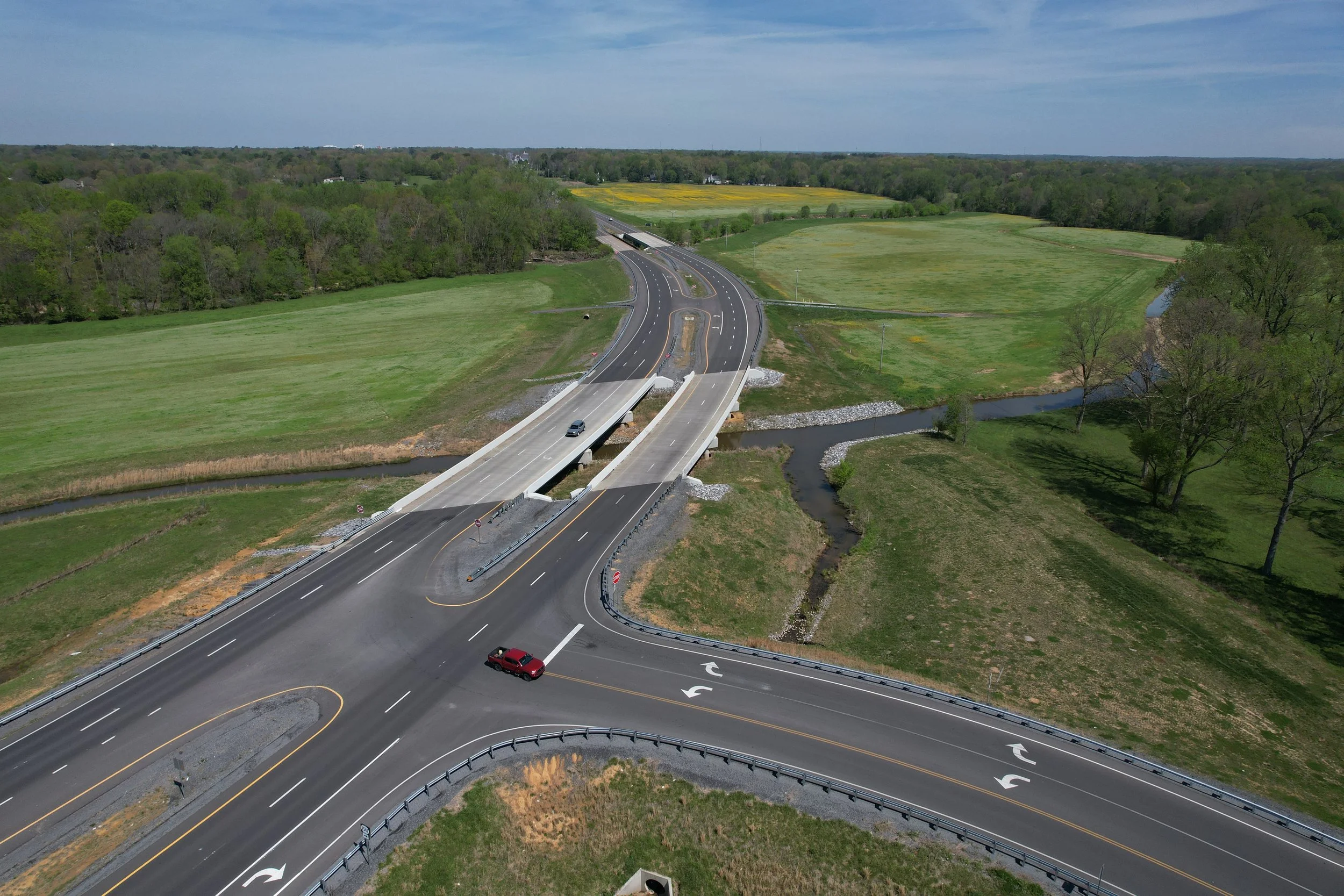
The US 641 project in Calloway County, Kentucky, represents a transformative investment in regional mobility, safety, and economic development. Spanning approximately 5.6 miles from the Tennessee State Line to just south of Murray, the project reconstructed and relocated a key corridor into a modern four-lane divided roadway. Originally initiated in 2008, the project required years of planning, coordination, and perseverance through funding challenges before ultimately advancing with the support of a $23 million federal BUILD grant in 2018.
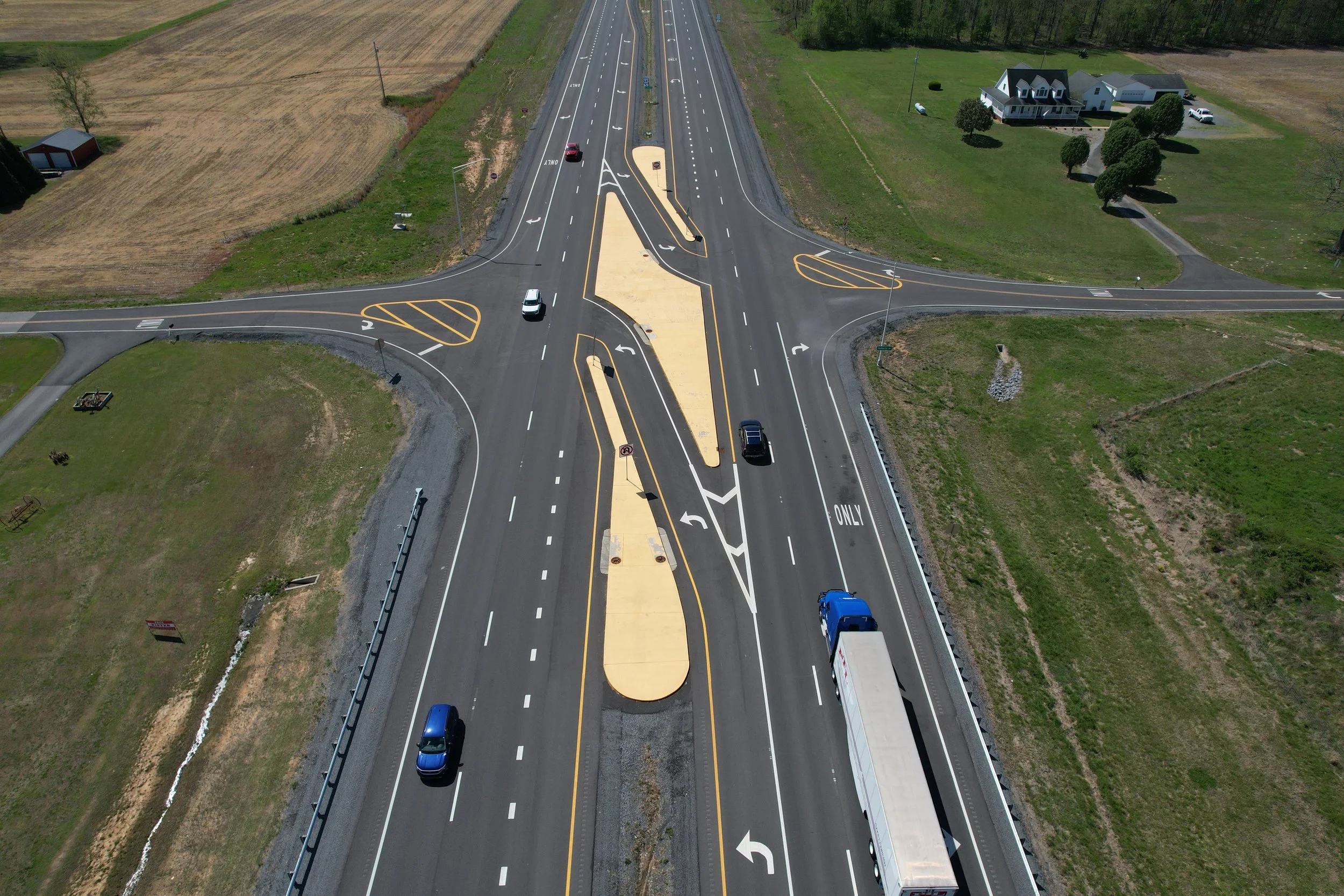
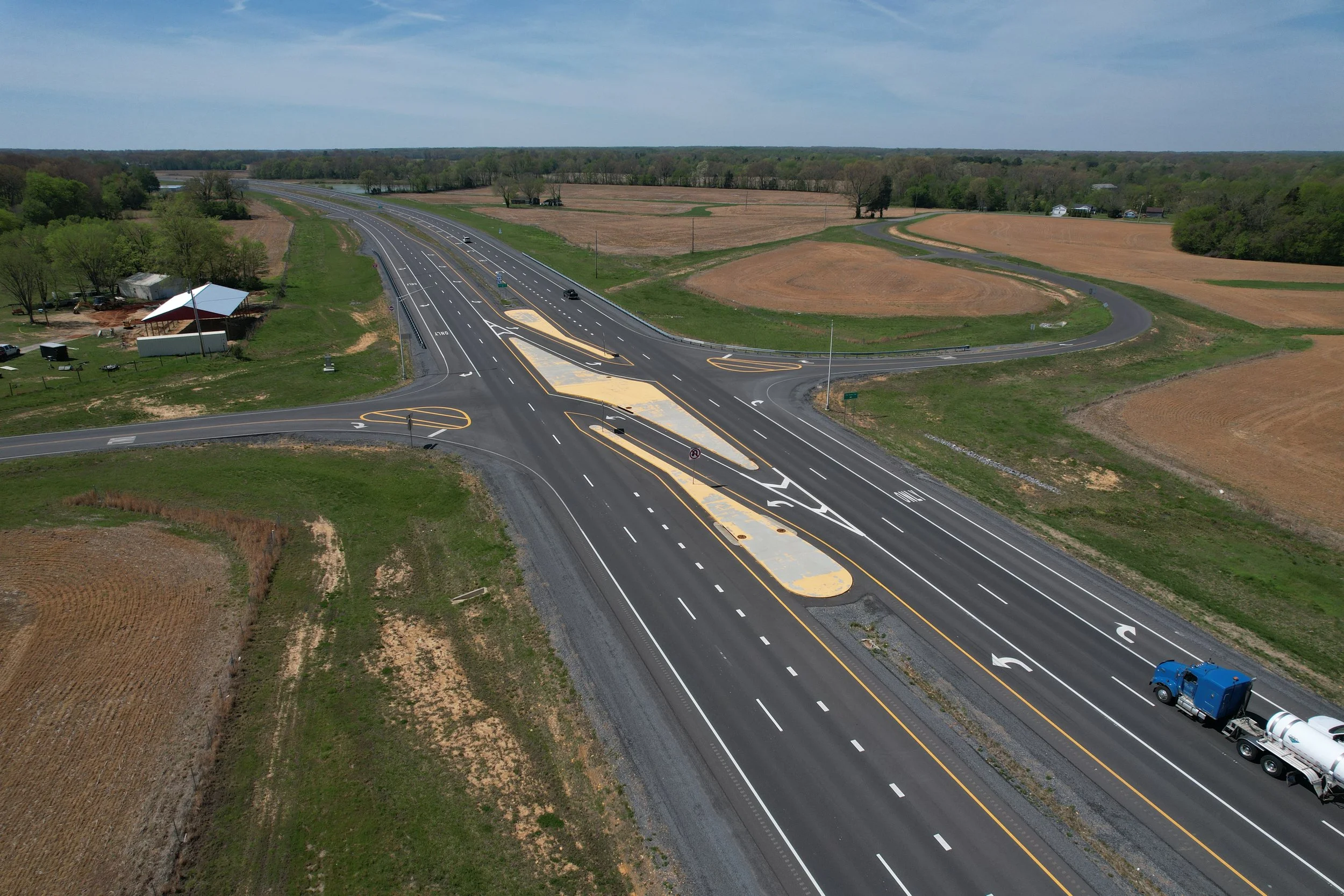
Palmer Engineering provided comprehensive, turn-key services including design, environmental coordination, and right-of-way acquisition. The project incorporated innovative design solutions—most notably Reduced Conflict U-Turn (RCUT) intersections—to improve traffic flow and reduce conflict points. Completed after decades of collaboration among local, state, and federal partners, the corridor now serves as a safer, more efficient connection between Kentucky and Tennessee while supporting long-term economic growth in the region.
Unique Aspects
-
Opportunities
Regional Connectivity: The project completes a critical link between Murray, KY and Tennessee, enhancing access to major corridors including I-69 and I-40.
Economic Development: Improved transportation infrastructure supports business growth, freight movement, and job creation across Calloway County and the surrounding region.
Innovative Design: The inclusion of RCUT intersections demonstrates forward-thinking design, improving safety and traffic efficiency along a rural corridor.
Funding Leverage: Local contributions combined with federal BUILD funding highlight successful multi-level partnership and investment strategy.
-
Challenges
Funding Interruptions: The project experienced multiple starts and stops over nearly a decade due to limited funding, requiring flexibility and long-term commitment.
Environmental & Land Impacts: Alignments had to minimize impacts to prime farmland, existing property boundaries, and key infrastructure such as towers and utilities.
Utility Coordination: Design and construction required careful coordination with multiple utilities, including three high-pressure gas lines with strict protection requirements.
Accelerated Timeline: Following the BUILD grant award, environmental review and design were completed on an aggressive schedule to meet federal deadlines.
-
Successes
Significant Safety Improvements: The corridor saw an approximate 80% reduction in total and injury crashes, dropping from an average of 31.2 total crashes (8.6 injury) per year to just 5.5 total crashes (2 injury) annually within the first two years after construction.
Efficient Project Delivery: Environmental approvals and design milestones were achieved in record time, ensuring funding obligations were met.
Collaborative Achievement: Decades of planning culminated in a successful project through strong coordination between local communities, KYTC, and federal partners.
Modernized Infrastructure: The new four-lane roadway replaces an outdated and high-risk corridor, providing a safer, faster, and more reliable route for more than 6,000 daily users.
Project Gallery
Key Team Members
-

Gary Sharpe, PE, PLS
PROJECT MANAGER
-

David Lindeman, PE, PLS
TEAM MEMBER
-

Stephen Sewell, PE, PTOE
TEAM MEMBER
-

Jeff Cowan, PE
TEAM MEMBER
-

Kevin Damron, PE
TEAM MEMBER
-

Travis Mullins, PE, CPESC
TEAM MEMBER
-

Janet Woods
TEAM MEMBER
-

Craig Palmer, PLS
TEAM MEMBER
-

Kelly Whittington, PLS
TEAM MEMBER
-

James Fielder
TEAM MEMBER