
Inspired to Make An Impact: What Drives Our Engineers - and Their Advice for the Next Generation
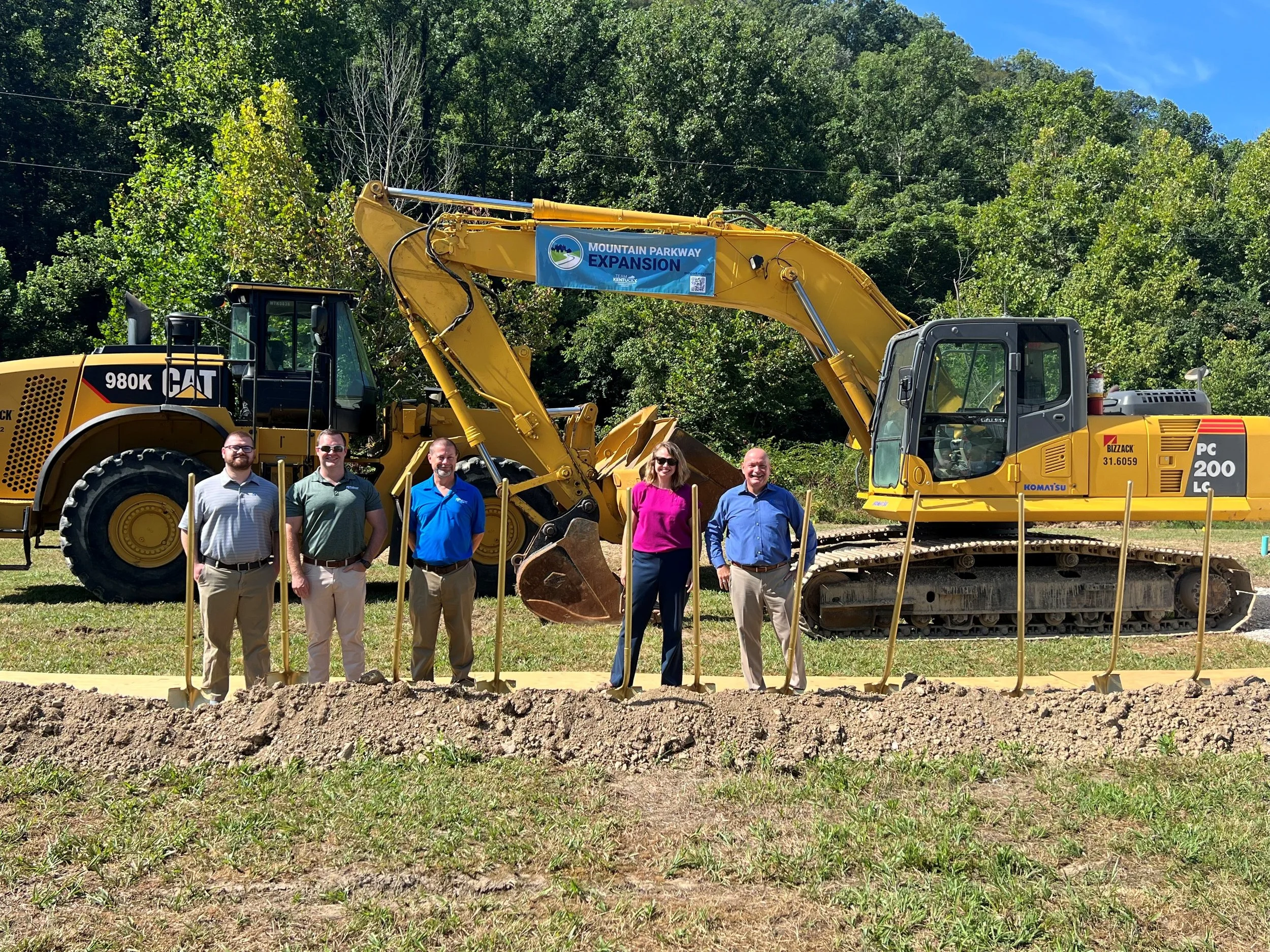
Every engineer starts somewhere. For many on our team, that journey began with curiosity — a desire to build, to solve problems, and to make a difference. From early inspiration to professional responsibility, they’re sharing what shaped their path — and the advice they’d offer the next generation stepping into the field.
Engineering Week is a time to celebrate the people who design, build, and strengthen the communities we call home. Behind every roadway improvement, bridge replacement, and site development project is a team of engineers who were once students themselves — curious, motivated, and wondering what their future might hold.
We asked several of our team members — what inspired them to become engineers and what advice they would give to those just starting out. Their answers reveal common themes: curiosity, problem-solving, lifelong learning, and a deep commitment to serving communities.
What Inspired Them to Become Engineers
A Love for Building and Hands-On Problem Solving
For many, the spark started early.
Stephen Sewell, President of Palmer Engineering, remembers building racetracks for his radio-controlled cars in the backyard — painting the design first, then digging it out (much to his parents’ dismay over their yard).
Ryan Steffen, Project Manager, spent hours building with Legos and K’Nex.
Chase McFarlane and Siddharth Karmarkar share similar stories of building sets and imagining projects long before they fully understood what engineering was.
Logan Sallee, Structures Project Manager, was drawn to building things and hands-on problem solving from a young age.
Randy Harper enjoyed taking things apart, figuring out how they worked, and putting them back together.
For Scott Wilson, Vice President, engineering offered the perfect balance — a career that blended indoor and outdoor work with the satisfaction of seeing something he designed actually get built.
What began as childhood curiosity — building, designing, figuring out how things worked — turned into careers focused on creating real-world solutions.

Strength in Math and Science
For many engineers, natural strengths helped point the way.
Stephanie Blain, Vice President, says simply, “I always liked math and science.”
Ryan Brinkman shared that math and science came naturally to him, and encouragement from others helped guide him toward engineering.
Randy Harper enjoyed trigonometry and saw engineering as the perfect blend of analytical thinking and hands-on application.
Will Conkin, Vice President has always enjoyed math, solving problems, and being outdoors — a combination that made the profession an ideal match.
Engineering became the place where their skills and interests intersected.
A Desire to Make an Impact
Others were inspired by the meaningful role engineering plays in society.
Tori Cambron appreciates how civil engineering provides the essential systems people rely on every day — roads, bridges, and utilities that form the foundation of a functioning society.
Andrew Brown recalls a professor saying “the weight of the world rests upon our shoulders,” a reminder that infrastructure supports daily life.
Erin Remley wanted to use math and science to solve environmental problems and make a difference.
Aaron Thomas was inspired by seeing how engineers solve real-world structural challenges, like designing repairs after a roof collapse.
Across disciplines — from backyard racetracks to transportation networks — our engineers were drawn to a profession where they could build, solve problems, and create lasting impact.
Advice for Those Just Starting Out in Engineering
If there’s one consistent message from our team, it’s this: your education doesn’t stop at graduation.
Be Willing to Learn — Always
Chris Mischel puts it plainly: “When you graduate college, your education is just beginning.”
Logan Sallee advises committing to continuous learning — there is always something new to understand, refine, or improve.
Engineering standards evolve. Software changes. Client preferences differ. Growth in this profession doesn’t stop after graduation — it continues throughout your entire career.
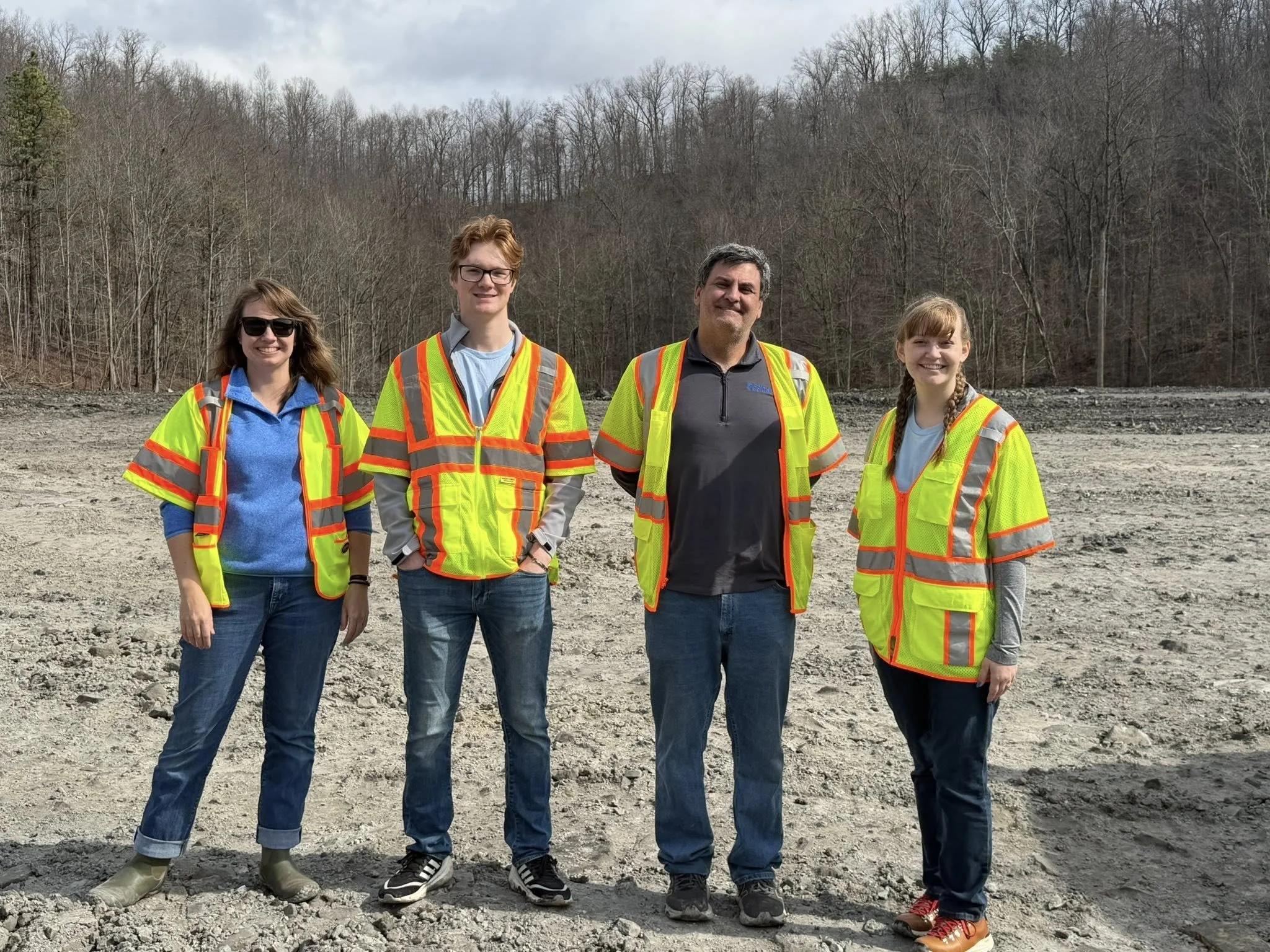
Ask Questions — A Lot of Them
From entry-level engineers to senior leaders, the message is unanimous:
Tori Cambron: “Don’t be afraid to ask a lot of questions.”
Aaron Thomas: “Always ask questions and try to absorb everything you can from your team.”
Siddharth Karmarkar: “Stay curious and learn from every experience.”
Questions accelerate growth. They prevent costly mistakes, and they build stronger teams.
Don’t Fear Mistakes — Learn From Them
Engineering is challenging, and growth often comes with discomfort.
Caitlin Brown encourages new engineers to be willing to make mistakes and learn from them.
Ryan Brinkman advises expecting “intense growing pains” and reminds young engineers not to take markups personally.
Chase McFarlane shares that most problems don’t have just one right answer.
Mistakes aren’t failures — they’re part of the process.
Be More Than Just Technical
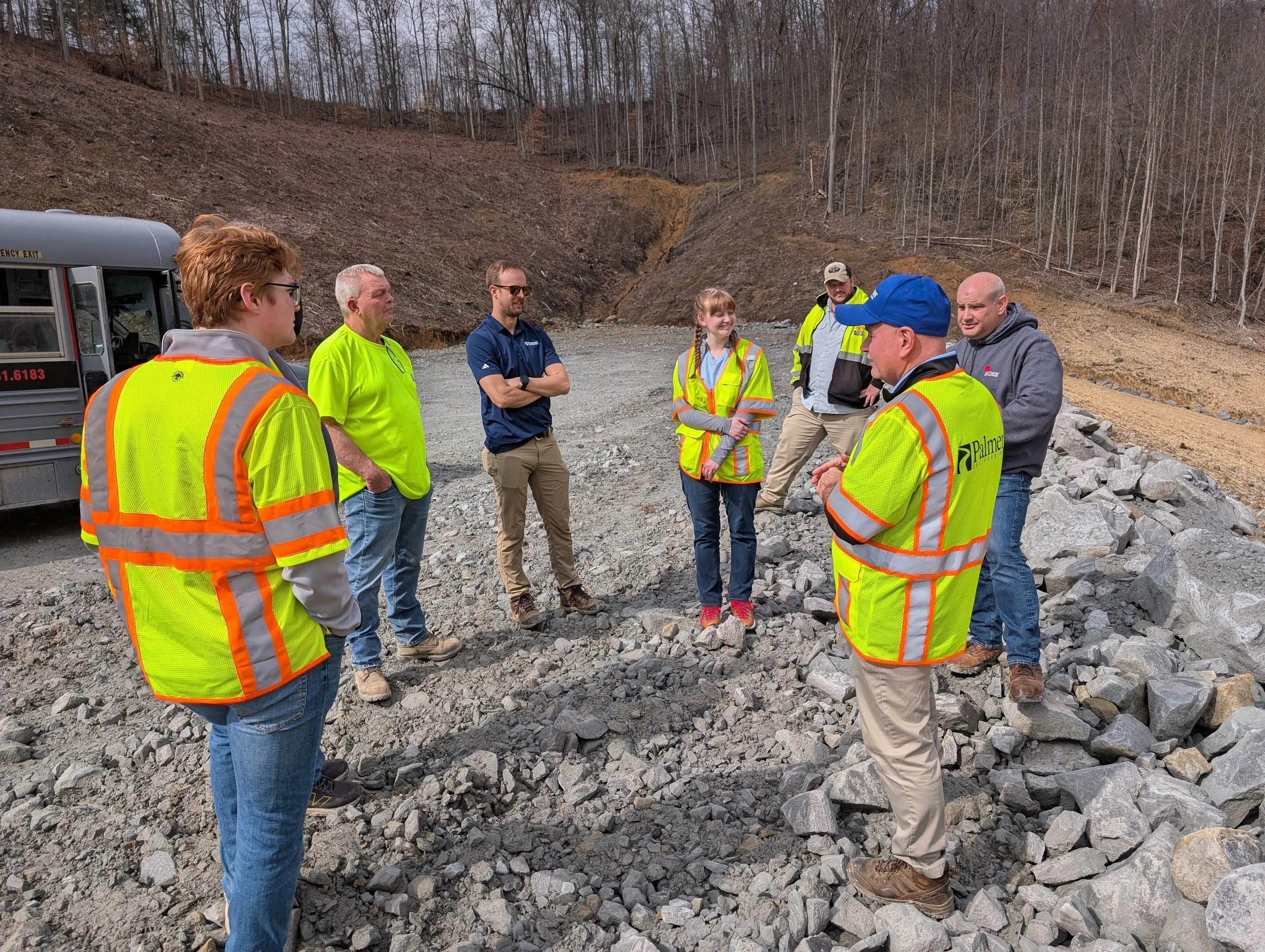
Engineering doesn’t only happen at a desk, and technical ability alone isn’t enough. The strongest engineers understand how projects are built and how to communicate their ideas clearly.
Getting into the field provides perspective that can’t be learned from a screen alone.
Logan Sallee encourages young engineers to visit job sites, talk with field crews, and see firsthand how projects are built.
Tim Robinson stresses the importance of writing clearly and speaking confidently to varied audiences.
Real-world experience deepens understanding and builds credibility, while strong communication sets engineers apart and strengthens collaboration with clients, contractors, and communities.
Be a Problem Solver
At its core, engineering is about solving problems. Whether restoring a bridge after a flood, improving roadway safety, or designing infrastructure that supports future growth, engineers are driven by the responsibility — and the opportunity — to find solutions that make a lasting impact.
Stephanie Blain encourages engineers to “be problem solvers.”
Stephen Sewell echoes that sentiment, sharing that one of the most rewarding aspects of the profession is tackling complex challenges and developing effective solutions.
This Engineering Week, we celebrate the curiosity, perseverance, and commitment that drive our engineers every day.
What begins with curiosity — whether building with Legos or solving complex challenges — grows into a career dedicated to designing solutions that strengthen the communities we call home.