
US 127
RUSSELL AND CLINTON COUNTIES, KY
TRANSPORTATION
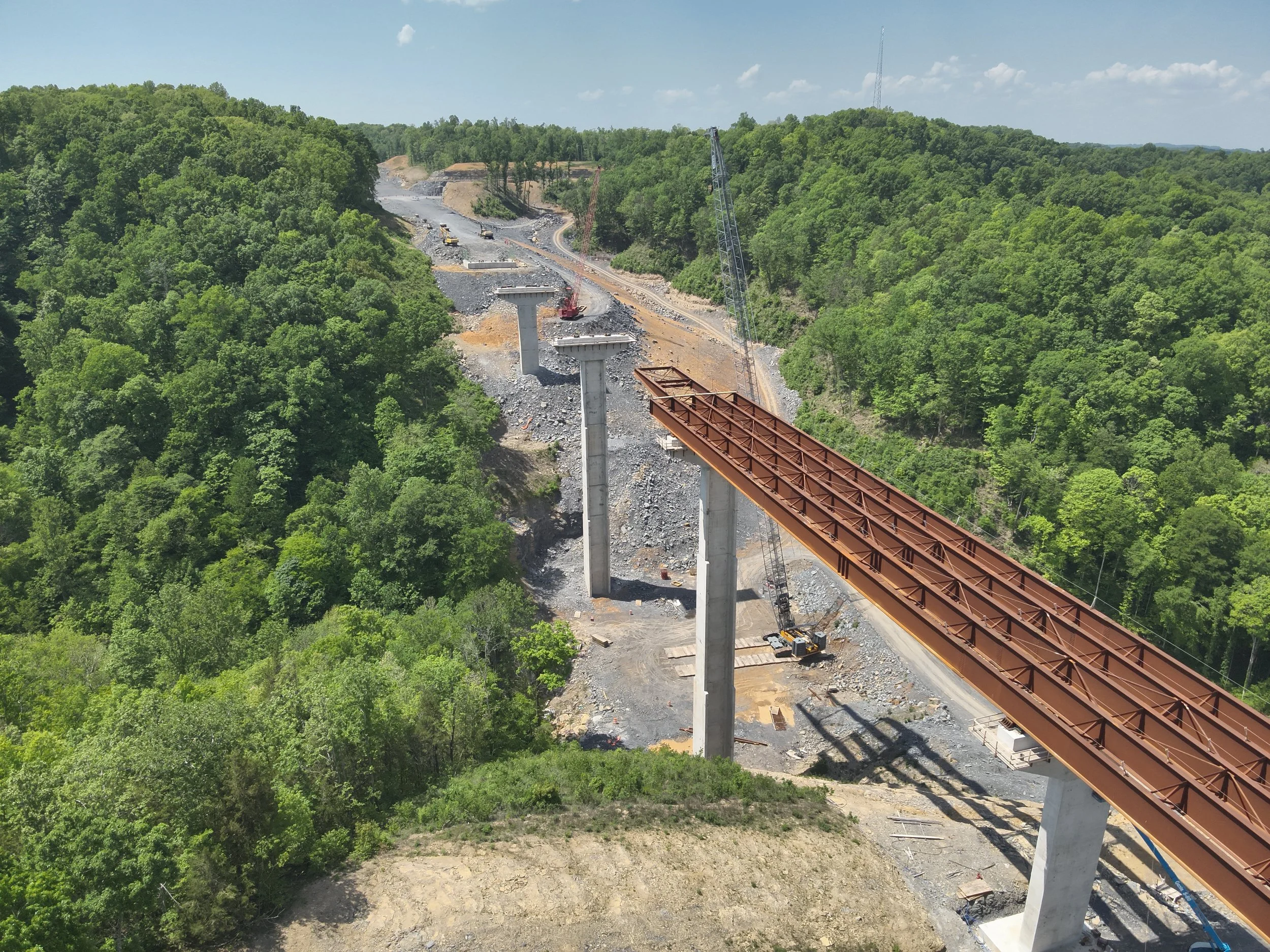
Palmer Engineering played a key role in the planning, design, and development of the US 127 Corridor Improvements in Russell and Clinton Counties, Kentucky. Working alongside project partners, Palmer contributed to Phase I design and environmental documentation for the realignment of approximately 21 miles of US 127, extending from KY 90 in Clinton County to the Jamestown Bypass in Russell County.
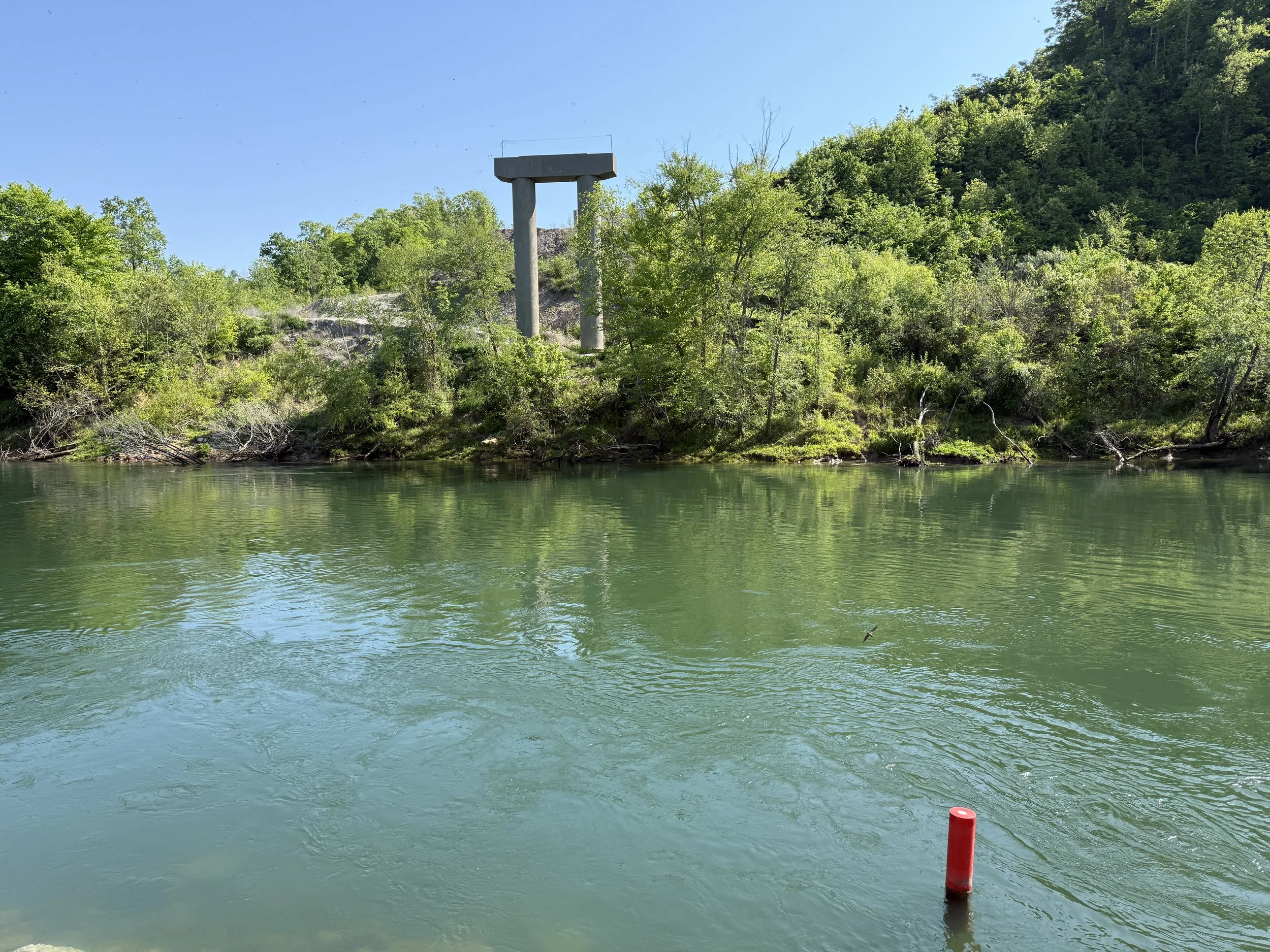
The project corridor traverses challenging terrain and environmentally sensitive areas, including a seven-mile stretch along the Cumberland River below Wolf Creek Dam. Through careful coordination and context-sensitive design, the team developed solutions that balanced transportation needs with environmental stewardship and community considerations.
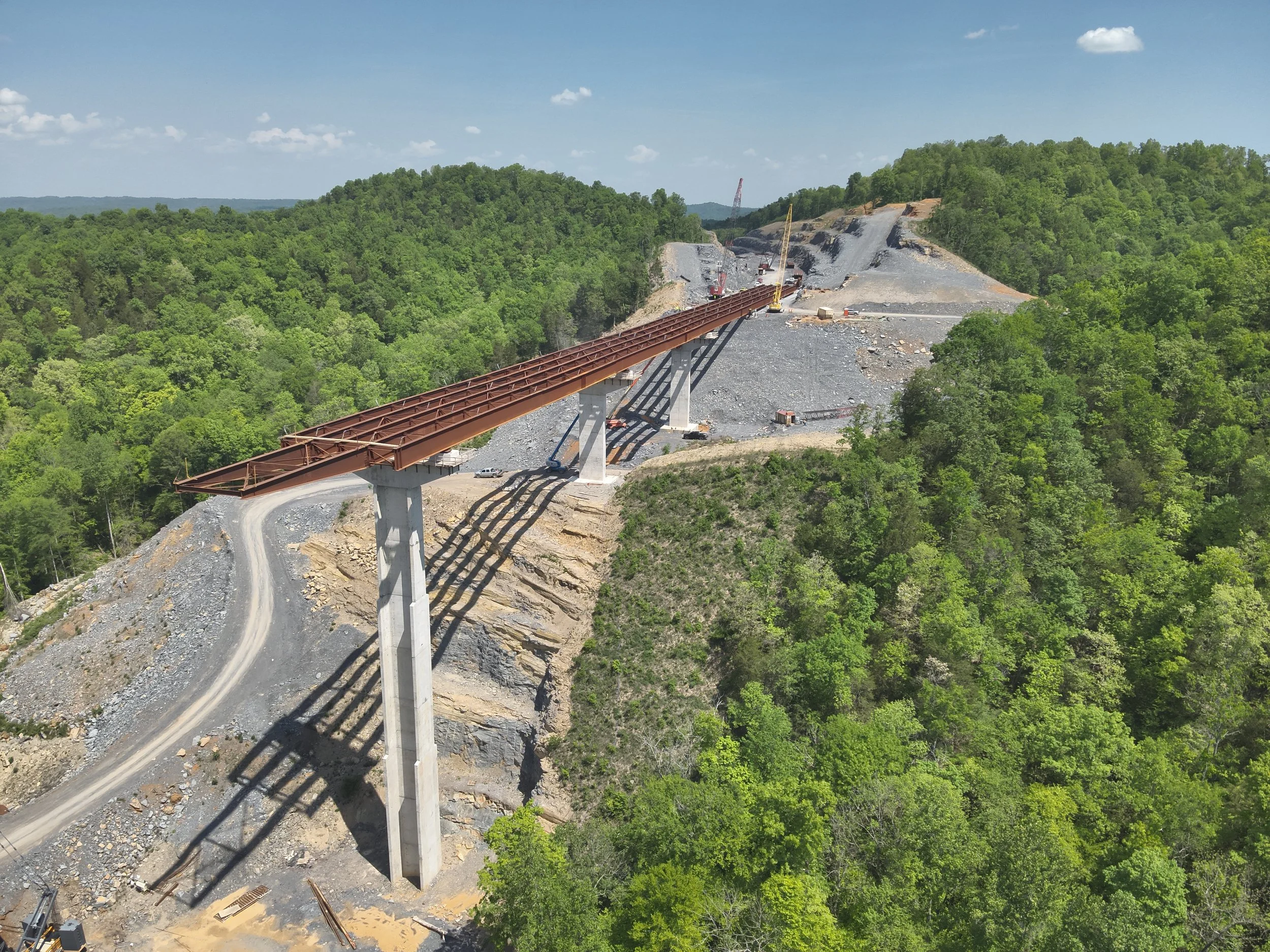
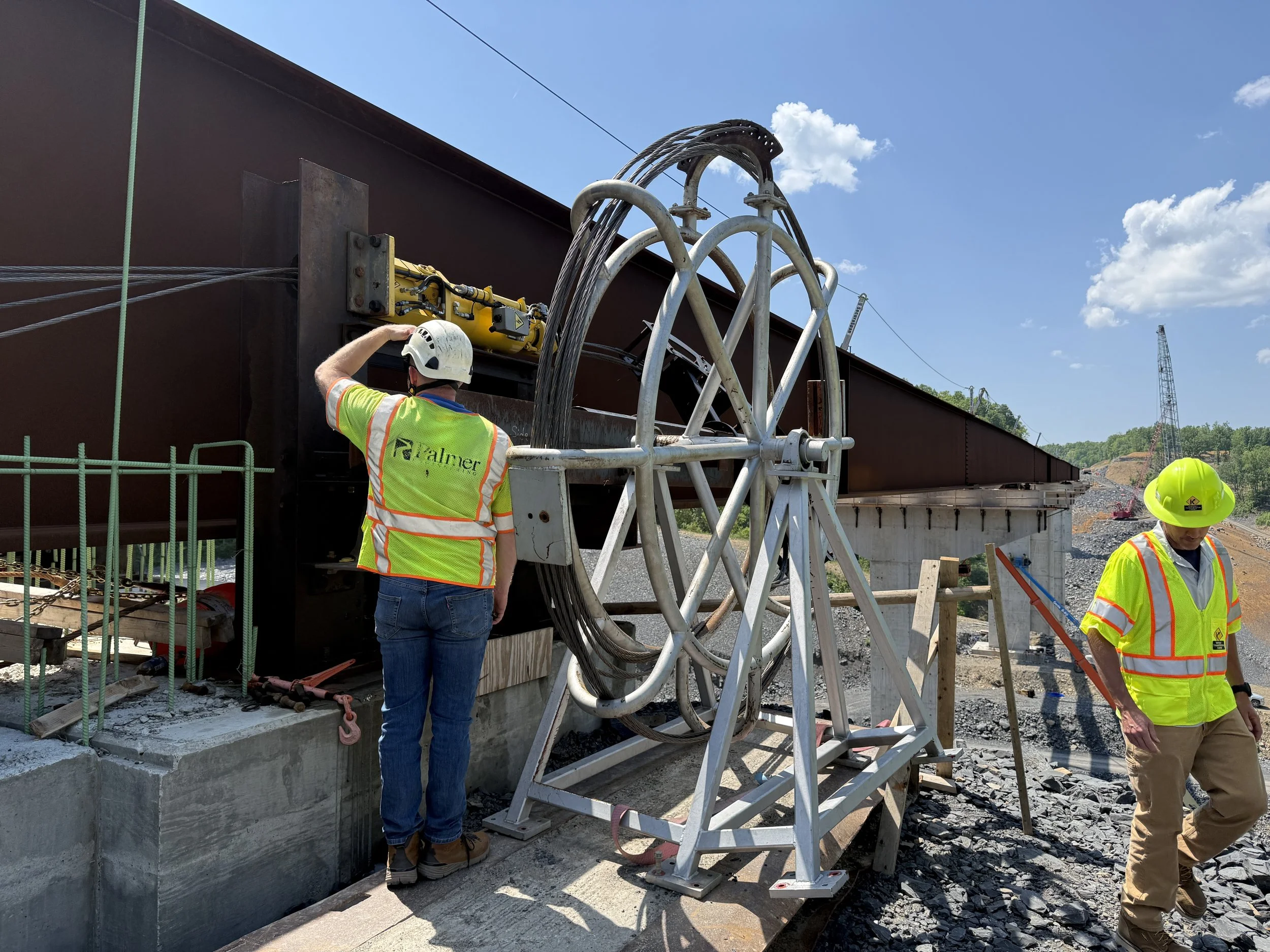
In Phase II, Palmer was responsible for the design of a 4.5-mile section of the mainline roadway and 1.5 miles of approaches. To navigate the rugged landscape while minimizing environmental impacts, the design incorporated multiple bridges spanning deep valleys and waterways. Notable structures include major crossings over the Cumberland River and Salt Lick Creek, which are currently under construction.
The project also included roadway relocations, maintenance of traffic solutions, and coordination with utilities and agencies to ensure continued access for local residents and businesses throughout construction.
Unique Aspects
-
Opportunities
Regional Mobility: Upgraded a critical segment of US 127 to improve safety, capacity, and overall corridor performance across southern Kentucky
Context-Sensitive Design: Applied design solutions that balance infrastructure improvements with environmental stewardship and community needs.
Strategic Bridge Design: Utilized strategic bridge design to reduce earthwork and limit impacts in mountainous terrain
Network Integration: Strengthens connectivity with the Jamestown Bypass and surrounding roadway system to enhance traffic operations and continuity.
-
Challenges
Environmental Coordination: Navigated complex requirements including Section 106 and Section 4(f), along with work near the Cumberland River
Rugged Terrain: Designed within steep grades, deep valleys, and environmentally sensitive waterways
Corridor Relocation: Shifted portions of US 127 away from Wolf Creek Dam while maintaining continuous regional connectivity.
Access Maintenance: Preserved access for farms and residences throughout construction, particularly along narrow ridge roadways.
Multi-Agency Coordination: Worked closely with utility providers, the Tennessee Valley Authority, and other stakeholders
-
Successes
Environmental Approval: Achieved FONSI through proactive planning and strong stakeholder coordination
Signature Structures: Designed and advanced construction of multiple significant bridges, including major river crossings
Impact Minimization: Reduced environmental and community impacts through innovative alignment and construction strategies
Traffic Continuity: Maintained traffic flow and local access throughout all phases of construction
Long-Term Delivery: Successfully delivered a complex, multi-phase project spanning planning, design, and construction over several years
Project Gallery
Key Team Members
-

Jeff Cowan, PE
PROJECT MANAGER
-

Stephen Sewell, PE, PTOE
TEAM MEMBER
-

David Lindeman, PE, PLS
TEAM MEMBER
-

Gary Sharpe, PE, PLS
TEAM MEMBER
-

Travis Mullins, PE, CPESC
TEAM MEMBER
-

David Deitz, PhD, PE, SE
TEAM MEMBER
-

Brad Robson, PhD, PE, SE
TEAM MEMBER
-

Will Conkin, PE, PTOE
TEAM MEMBER
-

David Rust, PE
TEAM MEMBER
-

Lee Carlisle, PE
TEAM MEMBER
-

Janet Woods, CPESC
TEAM MEMBER